Frequently Asked Questions
The most-asked questions about ancient histories and epics.
What are ancient epics and histories as a genre?
Ancient epics are extended narrative works—poetic or prose—that dramatize the deeds of heroes, gods, and the founding myths of a people, while ancient histories are structured prose accounts of political, military, and cultural events. Both traditions flourished in Mesopotamia, the Greek world, India, China, and the Hebrew tradition from roughly the third millennium BCE onward.
Which ancient epics are most widely known today?
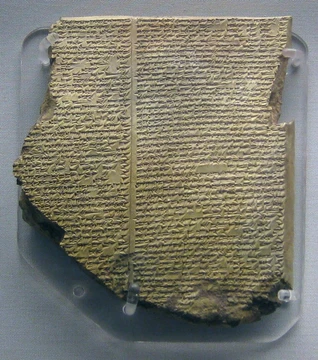
The most commonly referenced include Homer's Iliad and Odyssey, the Sumerian and Akkadian Epic of Gilgamesh, the Indian Mahabharata and Ramayana, and the Hebrew narrative books running from Genesis through Esther. These texts have been translated into dozens of languages and continue to shape modern storytelling.
Who are the central figures across these works?
Recurring archetypes include mortal heroes such as Gilgamesh, Achilles, Arjuna, and David, as well as divine or semi-divine beings like Zeus, Indra, and the Mesopotamian pantheon. Kings, tricksters, and wise elders also play major roles in driving the plots forward.
Where should a newcomer begin reading?
A good entry point is the Epic of Gilgamesh in a modern English translation, since it is relatively short and introduces many motifs that recur in later works. From there, readers often move to Homer's Iliad or the Ramayana, depending on their interest in Greek or South Asian traditions.
What time periods do these texts actually describe?
The settings range from the mythic, pre-flood era to the Bronze Age and early Iron Age, roughly spanning the third millennium BCE through the first millennium BCE. Many narratives blend legendary kings with semi-historical figures, making precise dating difficult.
How were these stories originally transmitted?
Most began as oral compositions performed by bards, priests, or professional reciters before being committed to writing in cuneiform, papyrus, palm-leaf, or silk media. The transition from spoken to written form often took centuries, and multiple recensions coexisted before any single standard version emerged.
What themes appear most consistently across different cultures' epics?
Common threads include the hero's quest, the tension between individual glory and communal duty, divine intervention in mortal affairs, and the inevitability of mortality despite heroic achievement. Themes of hospitality, oath-keeping, and the consequences of hubris also recur frequently.
What is the difference between an ancient epic and an ancient history?
An epic is primarily a literary and theological work that uses elevated language, supernatural elements, and archetypal characters to explore a culture's values, whereas a history aims—however imperfectly—to present a factual, chronological record of events. In practice the two overlap: Herodotus, for instance, blends historical reporting with mythic and digressive narrative.
What are some of the most iconic scenes in these works?
Widely referenced moments include Achilles dragging Hector's body around the walls of Troy, the dice game that decides the fate of the Pandavas, Gilgamesh's failed quest for immortality, and David's duel with Goliath. These scenes have been retold in art, film, and literature for thousands of years.
Are these texts still relevant to modern readers?
Yes—themes of leadership, moral choice, grief, and the search for meaning in a finite life remain central to how people understand themselves. Contemporary novels, films, video games, and academic scholarship continue to draw directly on these source materials, keeping them in active circulation.